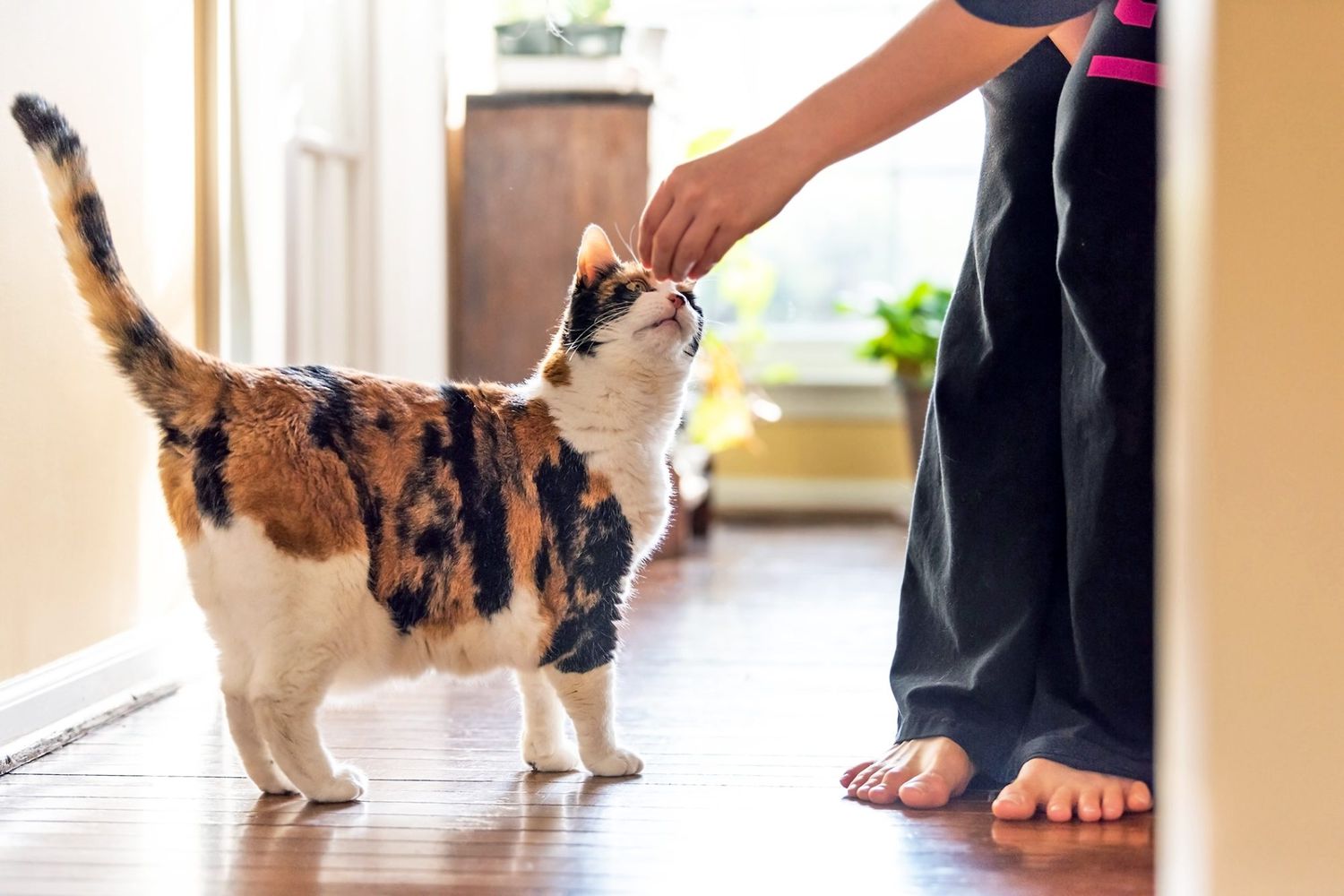
Pill Your Cat Stress-Free: Vet-Approved Tips for Difficult Felines
The scene is all too familiar for many cat owners: a trip to the vet, a diagnosis, and then the dreaded words, "Your cat needs to take this medication... it's a pill." For some, the mere thought conjures images of scratched arms, wrestling matches, and a terrified feline. It feels like an impossible mission, especially when your cat possesses the agility of a ninja and the willpower of a stubborn toddler.
Rest assured, you're not alone in this struggle. Most cats are masters of evasion when it comes to medication. They can detect a pill hidden in their favorite treat with uncanny precision and react to forced intervention with surprising strength. But sometimes, medication is non-negotiable for their health and well-being. The good news? There are numerous vet-approved strategies, from the subtly deceptive to the carefully direct, that can help you master the art of pilling your cat without the battle scars – both yours and theirs. Our goal is to empower you with methods on
how to give a cat a pill without bleeding, making the experience less stressful for everyone involved.
Why Pilling Your Feline Friend is a Challenge
Before diving into solutions, it’s helpful to understand *why* cats are so difficult. Unlike dogs, cats are less likely to "people please" and have highly developed senses.
*
Superior Sense of Smell and Taste: A cat's nose can detect the faintest hint of medication, even in strong-smelling foods. Their taste buds are also incredibly sensitive to bitter compounds often found in pills.
*
Neophobia (Fear of New Things): Cats are creatures of habit. Anything new or forced upon them can trigger suspicion and resistance.
*
Prey Instincts: Being held down or having their mouth opened can trigger their natural defense mechanisms, making them feel vulnerable and leading to scratching or biting.
*
Independent Nature: Cats are notoriously independent. They simply don't appreciate being told what to do, especially when it involves something unpleasant.
Understanding these traits can help you approach the task with more patience and empathy, setting the stage for a more successful outcome.
Stress-Free Strategies: Hiding the Pill
The easiest route, if your cat allows it, is to trick them into taking their medication. These methods aim to avoid any direct confrontation, reducing stress for both of you.
The Culinary Camouflage: Hiding in Food
This is often the first line of defense for a reason – it’s simple and, for some cats, highly effective.
*
Choose Wisely: The key here is a *strong-smelling, highly palatable* wet food or treat that your cat absolutely adores. Think tuna in oil (drained), sardines, salmon pate, Churu treats, or even a small dollop of cream cheese or butter (in moderation!).
*
Preparation is Key:
*
Whole Pill Method: Place the whole pill (if appropriate – always check with your vet about crushing or cutting pills) into a small ball of wet food. Then, cover it completely with another thin layer of food to hide any visual cues or initial smell.
*
Crushed or Cut Pill Method: If the pill can be crushed, grind it into a fine powder (using a pill crusher or the back of a spoon between two pieces of parchment paper). Mix this powder thoroughly into a *tiny* amount of the chosen food. The less food, the higher the concentration, and the less likely your cat will detect it.
*
The "Small Bite" Strategy: Offer a very small portion of the medicated food first. This ensures they consume the pill quickly before getting full or suspicious. If successful, you can then give them the rest of their meal as a reward.
*
Avoid the Obvious: Don't try to hide a pill in their regular dry kibble bowl. They will likely eat around it or ignore it entirely. Use a separate small dish for the medicated portion.
Remember, cats are clever. If they sense your trickery, they might become suspicious of that particular food in the future. For more creative hiding techniques, explore articles like
Hide or Treat: Easy Cat Pilling Methods Without the Fight.
The Delightful Disguise: Pill Pockets and Treats
For many cats, commercial pill pockets are a game-changer. These soft, pliable treats are specifically designed to conceal medication.
*
The Basic Method: Simply insert the pill into the designated hole in the pill pocket, pinch it closed, and offer it to your cat as a treat.
*
Advanced Tactics for Fussy Felines:
*
The Double Treat: Offer a regular, un-pilled treat first. While they're enjoying that, quickly offer the pill pocket. Follow up with another regular treat to reinforce the positive experience.
*
Squish and Seal: If your cat is particularly adept at spitting out the pill while eating the pocket, ensure the pocket is completely sealed around the pill, leaving no edges exposed. You can even warm the pocket slightly in your hands to make it more pliable and fragrant.
*
The Flavor Boost: Some owners find success by adding a tiny smear of butter, tuna juice, or a lickable treat to the outside of the pill pocket to make it even more enticing.
Pill pockets work wonderfully for cats who love treats. If your cat is a treat fiend, this could be your stress-free solution.
The Sneaky Swipe: Powder on Fur (Use with Caution!)
This method is highly unconventional and should *only* be attempted with explicit veterinary approval. Some medications can be safely crushed into a fine powder and lightly rubbed onto a cat's paw or an area they frequently groom. The idea is that the cat will naturally lick it off during grooming.
*
Vet Consultation is Crucial: Never attempt this without first confirming with your vet that the medication is safe for topical absorption and ingestion through grooming, and that crushing it will not affect its efficacy (e.g., sustained-release medications).
*
Method: Crush the pill to a very fine powder. Gently apply a small amount to your cat's paw. Do *not* force them to lick it.
*
Drawbacks: Dosing can be imprecise, and some cats may simply shake it off or develop an aversion to grooming that area. This is truly a last resort for specific situations.
Direct Approach: When Sneaky Isn't Enough
For the "furry ninjas" who outsmart every hiding attempt, a more direct approach is necessary. This is where learning
how to give a cat a pill without bleeding becomes paramount, protecting both you and your cat from scratches or bites.
Prepare for Success: Setting the Scene
Preparation is the cornerstone of a successful direct pilling experience.
*
Stay Calm: Cats are incredibly sensitive to human emotions. If you're stressed, your cat will be too, making them more resistant. Take a deep breath.
*
Gather Your Tools:
* The pill.
* A small treat or chaser of wet food.
* A pill popper (highly recommended for safety and efficiency).
* A small syringe with a few milliliters of water (optional, but helpful to ensure swallowing).
* A towel.
*
Choose the Right Environment: A quiet, confined space with good lighting is ideal. A bathroom, with the door closed, is often perfect. Avoid wide-open spaces where your cat can easily escape.
*
Timing: Pick a time when your cat is relaxed, not hungry or agitated.
The "Burrito Wrap" Technique: Safe Restraint
For difficult cats, a towel wrap or "cat burrito" can be invaluable for safely securing them and preventing scratches. This is a primary method for
safely pilling your cat and avoiding scratches.
1.
Lay out a Towel: Use a medium-sized towel on a flat surface (table or floor).
2.
Place Your Cat: Gently place your cat on the towel, facing away from you, with their neck at one edge.
3.
Wrap it Up: Bring one side of the towel snugly over their body and tuck it underneath. Then, bring the other side over, completely encasing their body and front paws. Only their head should be exposed.
4.
Secure: Ensure the towel is firm enough to prevent them from wiggling out, but not so tight that it restricts breathing.
This technique helps you keep control while minimizing the risk of injury. For more detailed steps on safe restraint, you might find valuable insights in
Stop the Struggle: Safely Pill Your Cat & Avoid Scratches.
The Direct Method: Using a Pill Popper for Safety
A pill popper (also known as a pill dispenser or piller) is a long, thin plastic syringe-like tool that holds the pill at the end. It allows you to place the pill deep into your cat's mouth without putting your fingers at risk, making it an excellent answer to
how to give a cat a pill without bleeding.
1.
Load the Popper: Place the pill securely in the rubber tip of the pill popper. Some poppers also allow you to add a small amount of water to the tip, which helps the pill slide down.
2.
Position Your Cat: With your cat in their towel burrito, gently cradle their head. Place the palm of your hand over the top of their head, with your thumb and fingers pressing gently behind their canine teeth on each side of their upper jaw. This will encourage them to open their mouth slightly.
3.
Open the Mouth: Tilt your cat's head upwards. With your other hand, gently apply downward pressure to their lower jaw with your finger to open their mouth further.
4.
Administer the Pill: Quickly insert the pill popper over their tongue, aiming for the back of the throat, past the "hump" of the tongue. Depress the plunger to release the pill.
5.
Encourage Swallowing: Immediately remove the popper. Gently close their mouth and stroke their throat downwards or lightly blow on their nose. This often stimulates a swallow reflex. If you used water in the popper, this step is less critical. If not, follow up immediately with a small syringe of water or a lick of wet food to ensure the pill goes down and doesn't get stuck in the esophagus, which can cause irritation.
6.
Reward: As soon as the pill is down, praise your cat profusely and offer their favorite treat or a small amount of wet food. This helps create a positive association, even if it's brief.
Don't Give Up and Know When to Call for Help
It's common to feel defeated when pilling a cat, especially in the early attempts. But remember, persistence is key. Every successful attempt builds confidence for both you and your cat.
*
Practice Makes Perfect: If you're new to direct pilling, consider practicing the handling and restraint techniques (without a pill) to get your cat accustomed to the sensation, always ending with a reward.
*
Consult Your Vet: If you're consistently struggling, don't hesitate to reach out to your veterinarian or a vet technician. They can demonstrate proper techniques, offer personalized advice, or discuss alternative medication formulations such as compounded liquids, transdermal gels, or even injectable medications in some cases.
*
Consider Compounding: Many pharmacies can compound medications into flavored liquids or tiny chewable treats, which can be a lifesaver for truly difficult felines.
Conclusion
Pilling a cat can feel like a daunting task, but with the right strategies, tools, and a calm approach, it doesn't have to be a battle. Whether you opt for clever concealment or a swift, safe direct method, the ultimate goal is to ensure your beloved feline receives the vital medication they need while minimizing stress and preventing injury. By mastering these vet-approved tips, you'll not only contribute to your cat's health but also strengthen the bond of trust, making "Pill Your Cat Stress-Free" a reality rather than just a hopeful dream.